
01
What a business podcast is good for
Before anyone talks about microphones, be clear on why you want a podcast. A business podcast works well when you have expertise to share and an audience that will listen for more than a minute. It lets prospects hear how you think. It also gives you a steady source of material for your website, email list and social channels.
It is also a slow channel. Most shows build an audience over months, not weeks. A podcast is good at building trust and familiarity. It is not a fast way to generate leads, and it does not replace a website that converts or ads that reach new people.
It may not be the right fit if you cannot commit to a regular schedule, if your buyers do not listen to or watch long-form content, or if you need results this quarter. In those cases, a few strong videos or a focused ad campaign may serve you better. Start with what you are trying to accomplish. Then decide whether a podcast is the right tool for it.
02
The stages from concept to published episode
Podcast production is a chain of steps. The concept comes first: who the show is for, what problem it helps them with, and why it is worth their time. The format follows from that. Will it be solo, a co-hosted conversation, or interviews with guests? How long will episodes run, and how often will they come out?
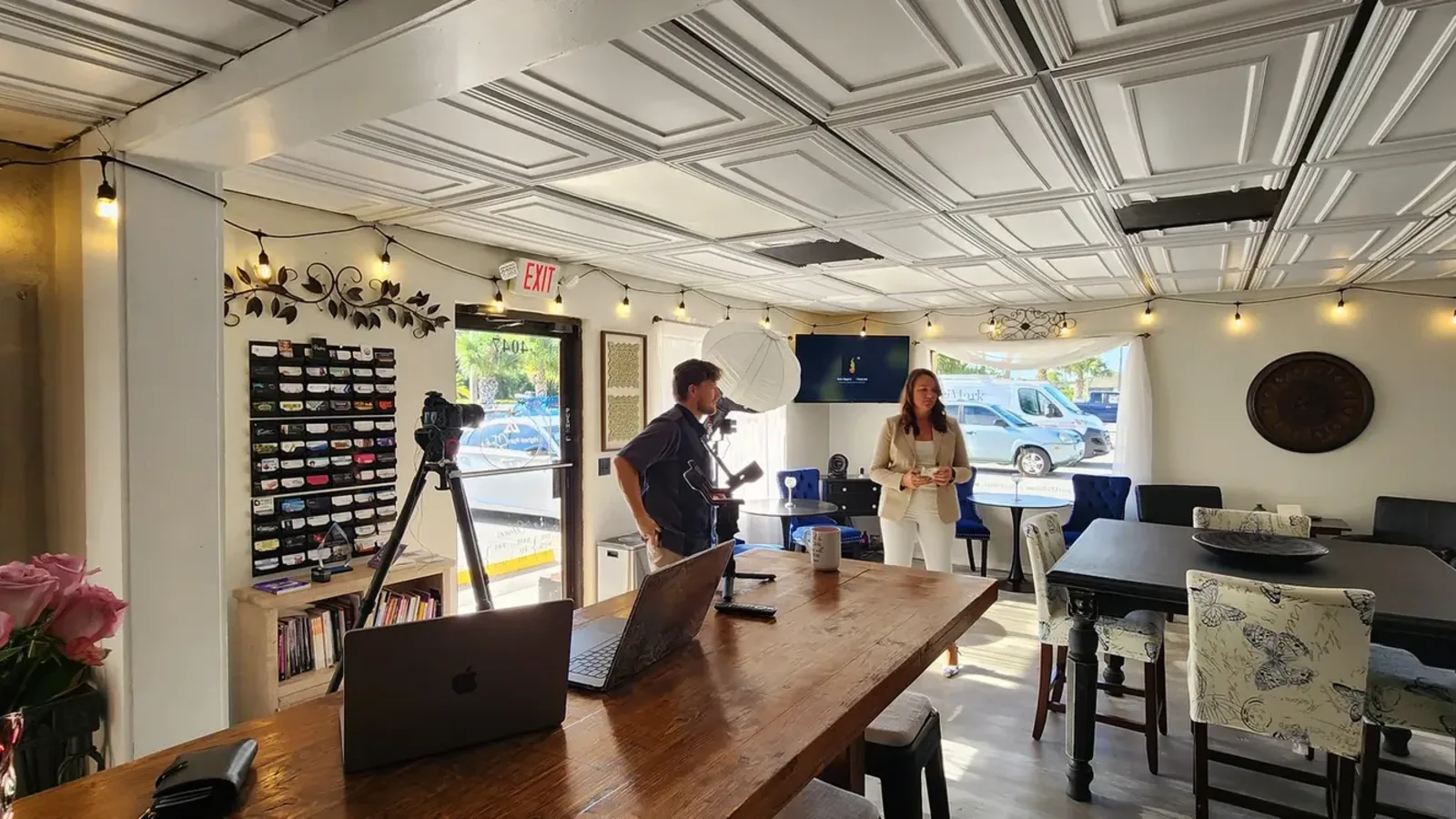
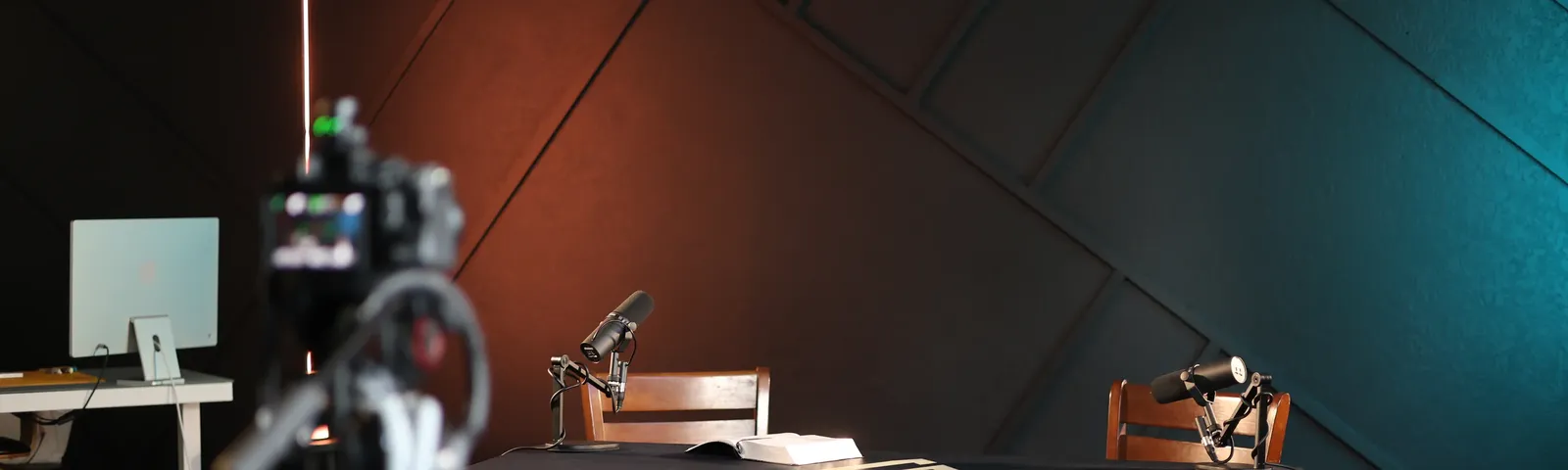
Recording is the part most people picture. It covers the room, microphones, cameras, lighting and the person running them. A quiet room with sound treatment matters more than most owners expect. Poor audio is the fastest way to lose a listener.
Editing turns raw recordings into a finished episode. That means cutting false starts and long pauses, balancing levels between speakers, cleaning up noise, and adding an intro and outro. If the show is on video, it also means cutting between camera angles.
The last stages are about getting found. Graphics give the show a consistent look. Thumbnails help an episode stand out on video platforms. Short clips carry the strongest moments to social media. Publishing means writing titles and descriptions, uploading to a podcast host and a video platform, and making sure the episode reaches the apps and directories people use.
Each stage shapes the next, so a weak concept shows up in every episode.
03
Do you need your own equipment
Not necessarily. Many shows start with a decent USB microphone and a quiet room. The trade-off is that the gear, the setup and the sound of the room all become your job. If the recording is poor, editing can only fix so much.
Video adds more to manage: cameras, lighting, framing and enough storage for large files. Buying and learning all of that takes time and money before you have recorded a single episode.
Recording in a studio skips that step. Depending on the arrangement, the studio provides the room and the equipment, so you show up and talk. That makes sense when you want to test the idea before you invest, or when you would rather spend your time on the content than on the setup.
04
Three ways to produce, and what each leaves to you
Besides doing it all yourself, there are three common ways to get help. They differ in how much of the work stays with you.
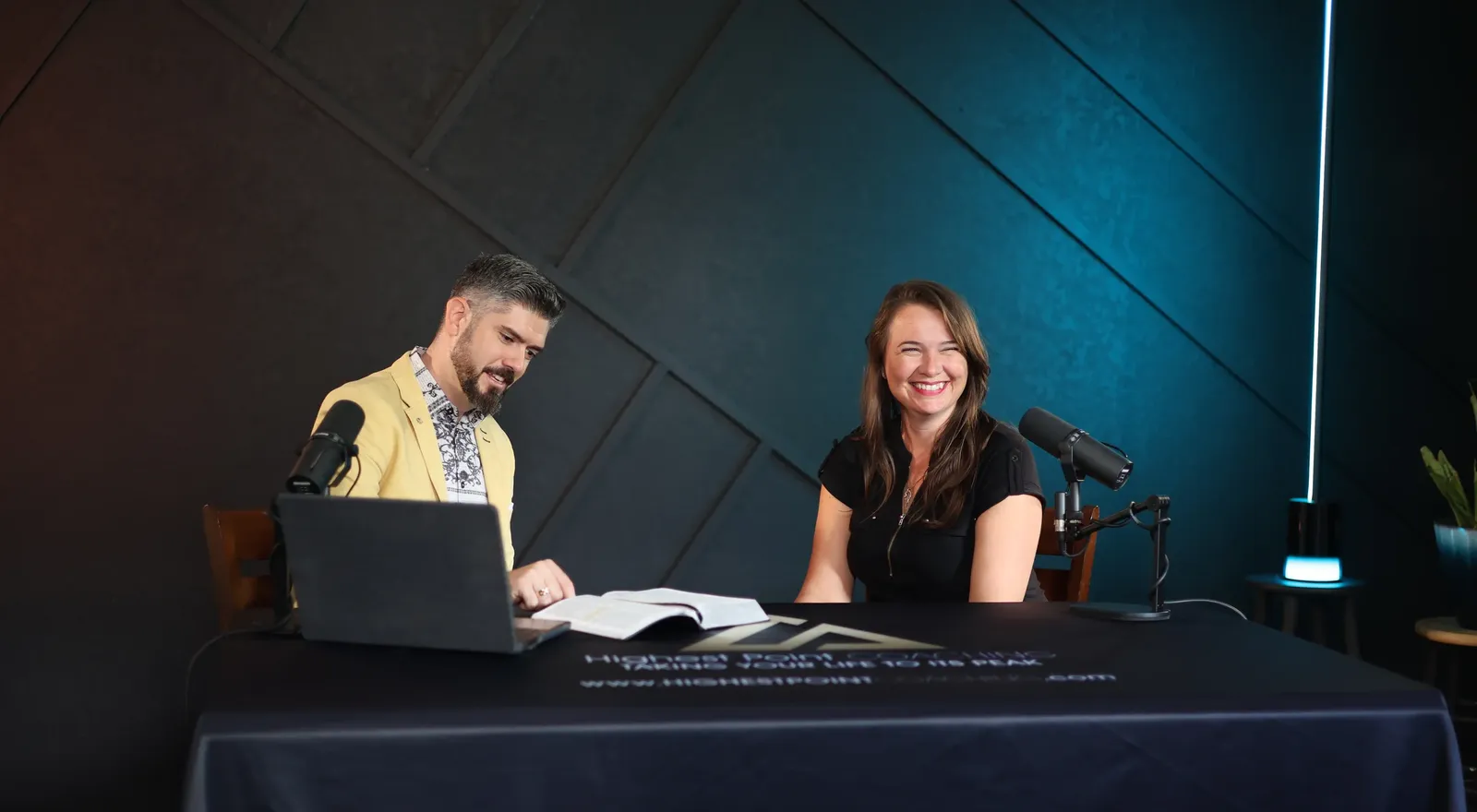
Studio rental gives you the space. You book time, bring your hosts and guests, and record. Depending on the studio, equipment may be included. You still run the session, and editing, graphics, clips and publishing stay with you. This suits people who already know how to produce and mainly need a good room.
Assisted production adds a team in the room. They handle cameras, audio, lighting, setup and recording, so you can focus on the conversation. Post-production is still yours to handle or assign. Full production hands off the whole process. The team records, edits, builds graphics, cuts clips and prepares the final content. What stays with you is the part only you can do: the ideas, the guests and showing up ready to talk.
Studio rental and assisted production mean being in the room, so they depend on location. If you are near our space, our podcast and video studio page explains how it works. If you are not, editing, clips and other post-production work can still be handled remotely through our podcast production services.
05
Turning one episode into many pieces of content
A single episode can feed several channels. The most common approach is to cut short vertical clips of strong moments, usually under a minute, and post them on social platforms. Each clip should make sense on its own and carry captions, since many people scroll with the sound off.
Beyond clips, an episode can become a blog post, a quote graphic, a section of your email newsletter, or talking points for your sales team. Recording on video makes this much easier. Camera footage gives you material for every visual channel. Audio alone limits you to audiograms and text.
Repurposing goes more smoothly when you plan it before recording. If you know which topics you want to clip, the host can state each point clearly, in a way that stands alone. Then the clips need a place to go and a posting schedule. That is where social media management ties back to the show.
06
How to decide which option fits
Start with three questions. How much time can you give the show each week? What skills do you or your staff already have? And what do you need the podcast to do for the business? If you have time and some technical skill, doing it yourself or renting a studio can work well. If time is the constraint, the more you hand off, the more likely the show keeps going.
It also helps to separate the parts you enjoy from the parts you only put up with. Plenty of owners like the conversation and dislike the editing. Handing off only the work that slows you down is a reasonable middle path.
Whatever you choose, cost depends on the scope: how many episodes, whether you record video, and how many clips you want from each one. If you want to talk through which approach fits your goals, you can reach out to our team and describe what you have in mind.